
Migraines are not just regular headaches; they are intense, throbbing pains often accompanied by nausea, sensitivity to light, and visual disturbances. For many individuals, these episodes can last for hours or even days, significantly disrupting daily life. While traditional medications and therapies can provide some relief, not everyone responds effectively to them. This is where modern medical solutions such as Botox come in. Many people are now exploring Botox in Islamabad as a non-surgical treatment that can help reduce the frequency and severity of chronic migraines.
Understanding Chronic Migraines
Chronic migraines are classified as headaches occurring at least 15 days per month, with migraine-specific features present on at least 8 of those days. Unlike occasional headaches, chronic migraines can lead to long-term discomfort, loss of productivity, and decreased quality of life. Factors such as genetics, lifestyle, stress, and neurological conditions often play a role in triggering these episodes. Managing such frequent attacks requires more than over-the-counter painkillers; it demands a preventive solution.
What is Botox and How Does it Work?
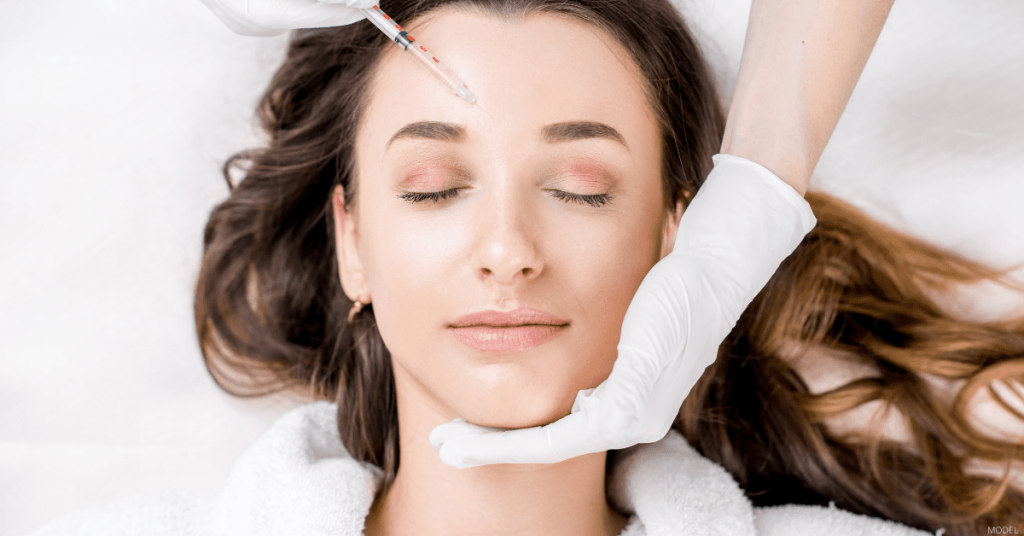
Botox, medically known as Botulinum Toxin, is a purified protein that temporarily relaxes muscles by blocking nerve signals. While it is widely recognized for cosmetic purposes such as reducing fine lines and wrinkles, medical experts have also found its therapeutic benefits in treating conditions like muscle spasms, excessive sweating, and chronic migraines. When injected into specific areas of the head and neck, Botox helps block the release of certain chemicals responsible for transmitting pain signals to the brain. This process reduces the occurrence of migraine attacks and provides long-term relief for patients.
Why Botox is Considered Effective for Migraines
Botox has been approved by medical authorities worldwide for the prevention of chronic migraines. Its effectiveness lies in its ability to target the root cause of pain rather than just masking the symptoms. By interrupting pain pathways, Botox prevents migraine triggers from fully developing into debilitating headaches. Clinical studies have shown that patients receiving Botox injections experienced fewer headache days per month and reported an overall improvement in their quality of life. This makes it a reliable option for those who struggle with frequent migraines that are resistant to other treatments.
The Procedure of Botox for Migraines
The treatment process is simple, minimally invasive, and does not require downtime. A trained specialist injects small doses of Botox into multiple points across the forehead, temples, back of the head, neck, and shoulders. These sites are carefully chosen as they are associated with nerve endings linked to migraine pain. The procedure usually takes about 15 to 20 minutes and patients can return to their normal activities shortly afterward. The effects typically start to show within a few days and continue to improve over several weeks. For lasting results, treatments are generally repeated every 12 weeks.
Benefits Beyond Migraine Relief
While the primary goal is to reduce migraine frequency, many patients report additional benefits after Botox treatment. These may include improved sleep quality, reduced stress from anticipating migraines, and enhanced ability to perform daily activities without constant interruptions. Since Botox is non-surgical, it avoids the risks and long recovery times often associated with other medical interventions. Furthermore, it provides a more sustainable solution compared to relying solely on medications that may have long-term side effects.
Who Can Benefit from Botox for Migraines?
Botox is recommended for individuals who experience chronic migraines, particularly when other treatments have not provided sufficient relief. It is especially suitable for patients who suffer from frequent attacks that interfere with work, social activities, and overall well-being. However, it is important to undergo a proper evaluation by a qualified professional to determine if Botox is the right option, as it may not be suitable for everyone. Pregnant women, individuals with certain neuromuscular conditions, or those allergic to Botulinum Toxin should avoid the treatment.
Possible Side Effects and Safety Considerations
Like any medical procedure, Botox may have minor side effects, though they are generally mild and temporary. Common ones include slight pain or bruising at the injection site, temporary neck stiffness, or mild headaches. These effects usually subside within a few days. Serious side effects are extremely rare when the treatment is performed by an experienced specialist. Overall, Botox is considered safe and well-tolerated for long-term management of chronic migraines.
Lifestyle and Complementary Care
While Botox is highly effective, combining the treatment with healthy lifestyle practices enhances the results. Maintaining a consistent sleep schedule, managing stress, staying hydrated, and avoiding known migraine triggers such as certain foods or environmental factors can further reduce migraine frequency. Regular follow-up appointments with the specialist also ensure the treatment remains effective and personalized to the patient’s needs.
Conclusion
Chronic migraines can severely impact a person’s life, but advancements in medical science have made effective solutions more accessible. Botox is emerging as a trusted method for reducing the severity and frequency of these painful episodes. With its ability to target pain pathways directly, the treatment offers long-lasting relief and a chance for patients to regain control over their daily routines. For individuals struggling with persistent migraines, Botox may be the breakthrough they need to experience a healthier, more comfortable life.