
Liposuction is a surgical method designed to remove excess fat deposits that are resistant to diet and exercise. It is commonly used to contour the body and improve appearance. However, when it comes to patients with diabetes, safety concerns often arise due to their unique health conditions. People with diabetes may experience slower wound healing, higher infection risks, and complications during recovery. Therefore, the decision to undergo liposuction requires careful evaluation by a medical professional. In regions like Pakistan, individuals often search for reliable procedures, and many inquire about Liposuction in Islamabad to address stubborn fat while also managing their medical conditions effectively.
Risks Associated with Liposuction for Diabetic Patients:
Diabetes affects the body’s ability to regulate blood sugar and impacts the circulatory system. This can make surgical recovery more challenging. Patients may face risks such as:
Slower wound healing compared to non-diabetics
Increased chances of infection at the surgical site
Higher risk of blood clots
Possible fluctuations in blood sugar levels due to anesthesia and stress
For diabetics, these risks are important to consider before deciding on any cosmetic procedure.
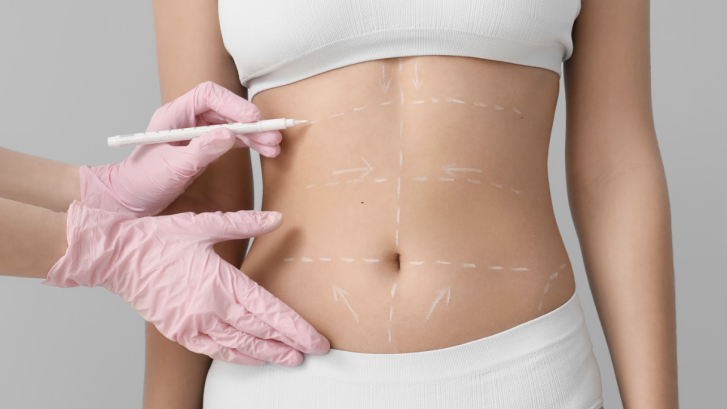
Why Diabetes Management Matters Before Liposuction:
Proper management of diabetes is crucial for minimizing complications during and after surgery. Patients who maintain stable blood sugar levels are generally better candidates than those with uncontrolled diabetes. Pre-operative tests are usually conducted to evaluate the patient’s readiness. Surgeons often collaborate with endocrinologists to ensure that glucose levels remain stable before, during, and after the procedure.
Comparing Liposuction in Diabetic vs Non-Diabetic Patients:
| Factor | Non-Diabetic Patients | Diabetic Patients |
|---|---|---|
| Healing Speed | Normal recovery time | Slower recovery |
| Infection Risk | Lower | Higher |
| Blood Sugar Fluctuation | Not an issue | Significant risk |
| Surgical Outcome | More predictable | Requires monitoring |
This table highlights how diabetes can influence liposuction recovery and outcomes.
Precautions Before Liposuction with Diabetes:
Patients with diabetes must take extra precautions to ensure safety. These include:
Regular blood sugar monitoring
Medical clearance from healthcare providers
Following dietary instructions before surgery
Avoiding smoking and alcohol to reduce complications
Adjusting diabetes medication under doctor supervision
Proper planning reduces risks and ensures that the procedure is as safe as possible.
Post-Operative Care for Diabetic Liposuction Patients:
After liposuction, diabetic patients need careful monitoring. The healing phase may take longer, so post-operative care becomes essential. Surgeons usually recommend:
Monitoring glucose levels daily
Using antibiotics to prevent infections
Avoiding heavy physical activity until approved
Keeping the surgical area clean and protected
Attending follow-up appointments regularly
By following these steps, patients with diabetes can minimize complications and improve recovery outcomes.
Lifestyle Adjustments After Liposuction:
Liposuction is not a treatment for diabetes or obesity. Instead, it is a body contouring procedure. Patients should focus on maintaining healthy habits such as eating balanced meals, exercising regularly, and controlling blood sugar levels. This helps maintain the results of liposuction and promotes long-term health.
Advantages and Limitations of Liposuction for Diabetics:
| Aspect | Advantages for Diabetic Patients | Limitations for Diabetic Patients |
|---|---|---|
| Aesthetic | Improved body contour and shape | Healing process may take longer |
| Psychological | Boosts self-confidence | Increased stress from surgical risks |
| Medical | Can motivate healthier lifestyle | Does not treat diabetes or obesity |
This table shows that while liposuction may offer aesthetic benefits, diabetics must carefully weigh the limitations before proceeding.
Common Queries About Liposuction Safety with Diabetes:
Can diabetics safely undergo liposuction?
Yes, but only if their diabetes is well-managed and they are cleared by medical professionals. Uncontrolled diabetes makes liposuction highly risky.
Does liposuction affect blood sugar levels?
Surgical stress and anesthesia can temporarily affect glucose levels. That is why continuous monitoring is important before, during, and after the surgery.
Is liposuction a treatment for diabetes?
No, liposuction does not treat or cure diabetes. It is only for fat reduction and body contouring. Proper management of diabetes is still required.
Do diabetic patients take longer to recover from liposuction?
Yes, diabetic patients generally take more time to recover due to slower wound healing and higher infection risks.
Final Thoughts:
Liposuction can be considered safe for people with diabetes under controlled medical conditions and professional supervision. The key lies in stable glucose levels, pre-surgical evaluations, and strict post-operative care. While the procedure can enhance physical appearance and self-esteem, it does not address diabetes itself. Therefore, patients should maintain a realistic outlook and prioritize overall health along with cosmetic improvements.